Employers collectively spend $1 trillion for health care each year. And amidst a tight and competitive labor market, many employers are increasingly interested in ensuring that their health care offerings are high quality, affordable and personalized to help people better access the care they need, when they need it. Despite these efforts, data shows that disparate outcomes exist – underscoring the importance of a more targeted focus.
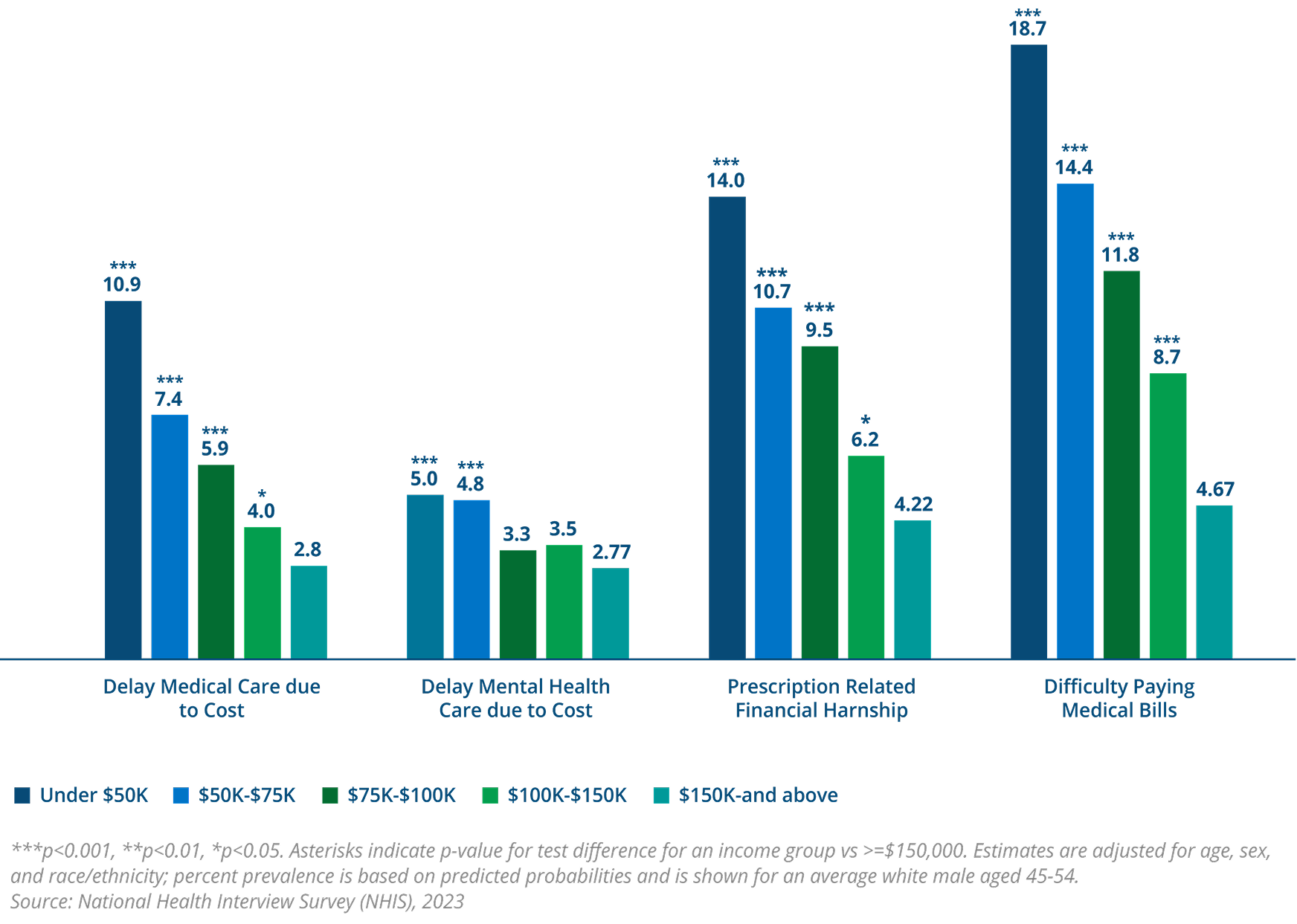
Morgan Health’s report, Quality and Outcomes Gaps in Employer-Sponsored Insurance (ESI),is our third consecutive analysis of the latest publicly available data (2022 and 2023) from the employer sector and continues to show that factors such as income level, sexual orientation and race are associated with significant variations in both health care access and outcomes. When left unaddressed, these factors can create conditions that impact employee well-being, such as unmanaged chronic diseases, increased hospitalizations and emergency room (ER) visits, reduced quality of life and lower productivity – all of which hamper business success. Consider, for example, when an employee faces difficulty paying for needed care. Missing a doctor visit or skipping a prescription refill can lead to time in the ER or more severe health conditions down the road and missed work.
We provide visibility into these gaps in care, so employers have a better understanding and appreciation of examples where health outcomes are notably lagging. By addressing core affordability and quality challenges, employers will be able to drive towards higher quality, more accessible health care experiences for their employees. In turn, businesses can realize a meaningful return in the form of healthier employees, stronger staff satisfaction and retention, downstream health care cost savings (i.e., disease prevention and hospital/ER avoidance) and more healthy days. Each of these metrics help sustain business growth.
Here’s what the 2025 report shows: